
The Zoo has been transforming before our eyes since construction began on Primate Forest in September 2024.
Primate Forest represents a transformation and significant expansion of The RainForest that leverages state-of-the-art technology and the latest research on animal care and conservation to create a new home for gorillas, orangutans, and hundreds of other animal and plant species.
CrossCountry Mortgage Forest HOME
A vanguard space that will immerse visitors in the magic inherent in nature, the CrossCountry Mortgage Forest Home leads with reverence and wonder and inspires guests to notice - and engage with – the benefits of forests.
Upon entering the building, guests will be transported to a place both familiar and fantastic. Towering, interactive trees and floor-to-ceiling video projection will immerse visitors in awe-inspiring narrative reflections of forests’ intricacies and rhythms, and a “Hero Tree” will glow responsively as guests engage with it, illustrating the invisible, communicative abilities of trees.
Continuing in the CrossCountry Mortgage Forest Home, the Learning Gallery builds on this inspiring experience by inviting guests to learn more about their role in a healthy future for our planet.


STILL TO COME: GORILLA FOREST
The full vision for Primate Forest will be realized in the next phase of construction, when the Gorilla Forest adds 25,000 square feet of lush, indoor forest environment to the structure.
ETFE roofing that allows UV light to pass through will maximize natural daylight cycles for animals and support the growth of full-size trees and plants, creating a veritable forest for both gorillas and their human visitors to enjoy year-round.
The growing gorilla troop’s habitat spaces will be connected by multiple routes to increase choice for them – and flexibility for the keepers in managing social dynamics. Gorillas’ biological and ecological needs are central to the design of these habitat spaces, which will support their best health while affording guests new and unique views into their natural behaviors. Like the Orangutan Forest, health management hubs will create space for animal keepers and veterinary staff to conduct voluntary, positive-reinforcement training, collect data, and perform medical procedures – all in guest view.
Orangutan Forest
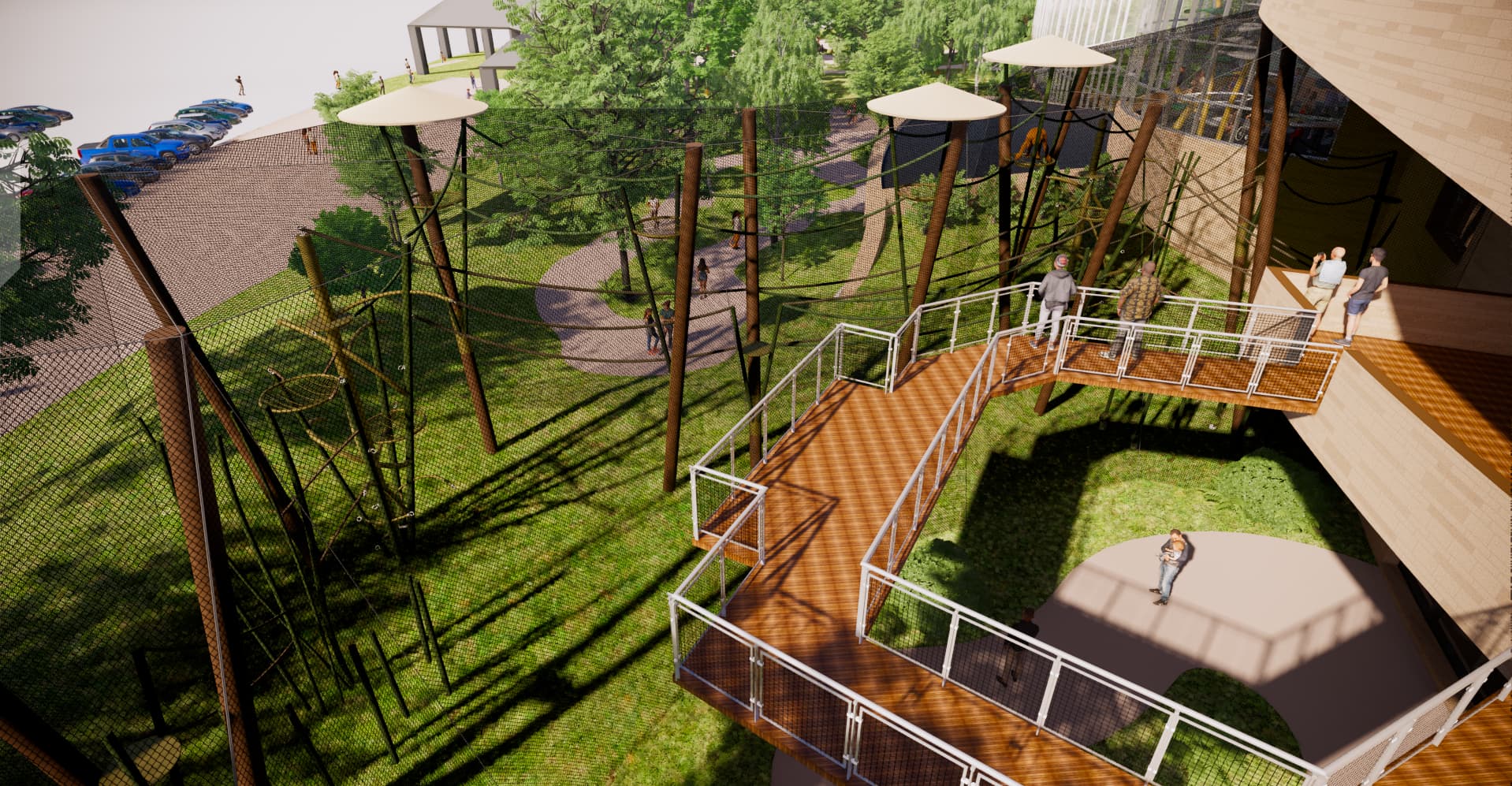
Primate Forest's expanded, reimagined orangutan habitat is designed to maximize the apes’ wellbeing, promote natural behaviors, and give visitors never-before-seen glimpses into the Zoo’s husbandry practices. With its world-class science and animal care teams, the Zoo is building a space centered around key contributors to these great apes’ health.
“Sway trees” will replicate the experience of scaling a tree as it moves with the wind, and long ropes will allow for more brachiating, the branch-to-branch swinging movement that carries them through the forest canopy. The addition of outdoor access will offer new, natural sights and smells for the orangutans, including people! With these apes, observation is reciprocal – just as Zoo guests will enjoy new ways to watch them, they will also enjoy new people-watching options.
Through positive reinforcement training, the orangutans learn to participate voluntarily in blood draws, EKGs, cardiac ultrasounds, nebulizer treatments, and more. Primate Forest will invite visitors to watch these important health checks for the first time ever in its “health management hubs.”
SAMUEL H. MILLER FOUNDATION TROPICAL FOREST
The former RainForest building will remain familiar to Zoo goers while boasting renovations and upgrades that offer new experiences.
In Canopy Connection, located in the former Researcher’s Hut area, visitors enter the layered world of the forest canopy to explore how animals navigate, connect, and thrive above the forest floor. Featuring an elevated play bridge, climbable cluster logs, and views into the orangutan habitat, visitors can explore the concept of connecting fragmented habitats.
The former theater seating area on the first floor will be a new civic engagement center, where guests will be encouraged to consider the unique role they can play in shaping their community. Built as a hub for dialogue and reflection, the space invites guests – especially teens – to explore how individual voices and collective community efforts can shape local, state, and national conservation policies.
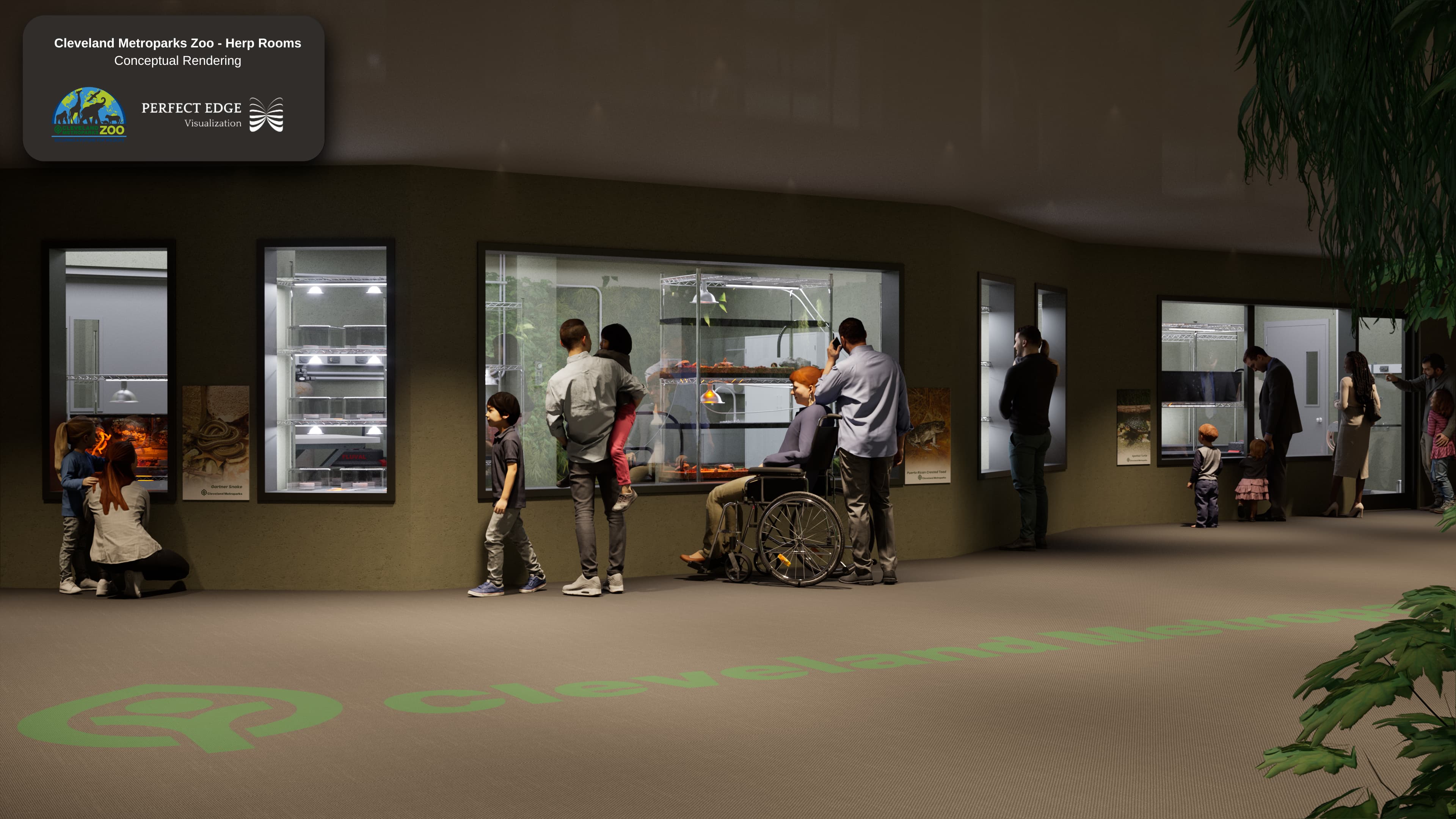
Where the ant habitat once was, the Care and Conservation Center will showcase the Zoo’s leadership role in breeding threatened reptiles and amphibians to support populations in the wild. Plains garter snakes, Puerto Rican crested toads, and spotted turtles may be visible in multiple phases of development through the seasons as the keepers contribute to securing their future in their native habitats.
A new footprint
The final phase of Primate Forest includes a reimagined arrival and navigation experience for visitors that unifies the RainForest with the rest of the Zoo in one campus.
Getting to the Zoo will be easier than ever with designated guest drop-off areas, connected neighborhood bike paths to the Zoo, and a widened Wildlife Way Road for managing traffic flow.

Your philanthropic support will make
Primate Forest possible.
Please reach out to our team to hear more about how you can support Primate Forest.
Subscribe